Recruitment Module
The Recruitment Module in ClusterHR enables organizations to manage the entire hiring lifecycle seamlessly. From job postings to onboarding, ClusterHR’s recruitment tool ensures a hassle-free and efficient process. Designed to reduce time-to-hire and improve candidate experience, our module offers:
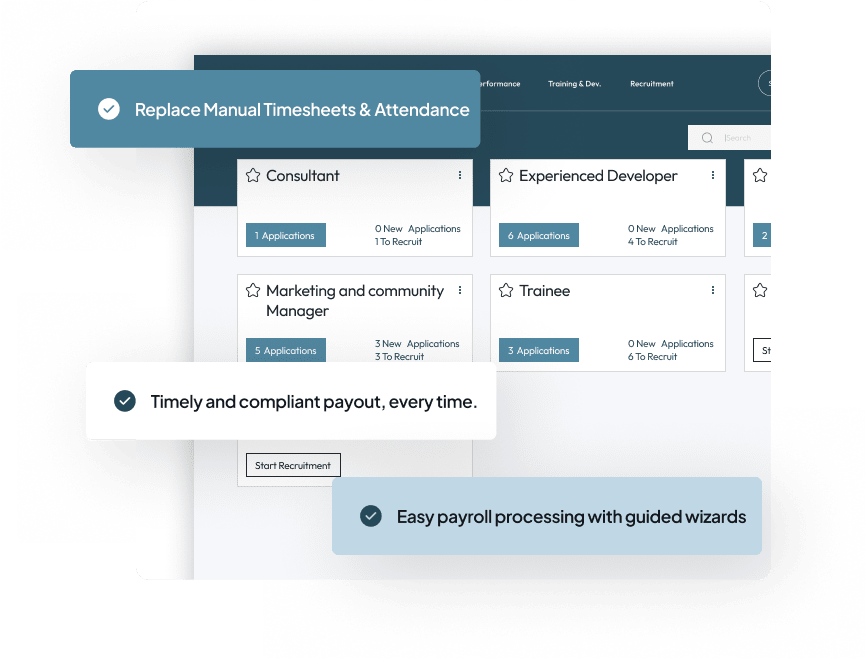
Unlock the Essentials of ClusterHR
HRMS systems streamline administrative HR operations to
ensure efficient employee management.
Hence, the common
functions of HRMS systems include:

Post jobs across multiple platforms, including social media and job boards, to attract top talent.

Track applications at every stage, from submission to hiring, with a user-friendly interface that provides real-time updates.

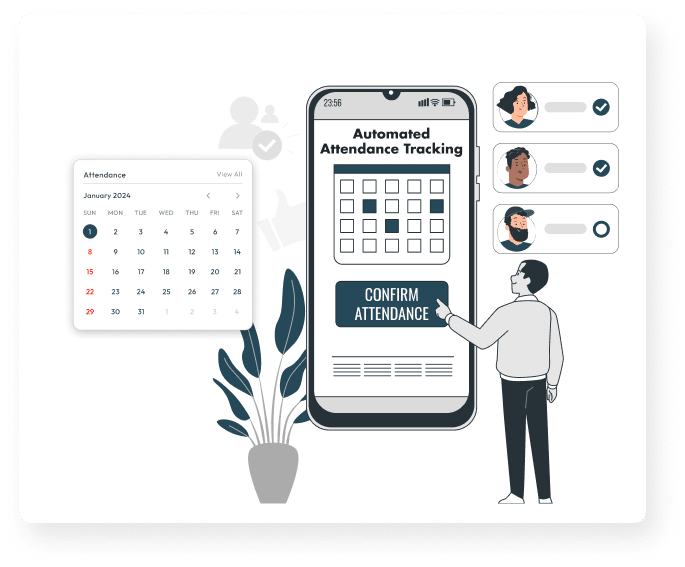
Simplify interview coordination with automated scheduling and reminders, reducing the back-and-forth between recruiters and candidates.
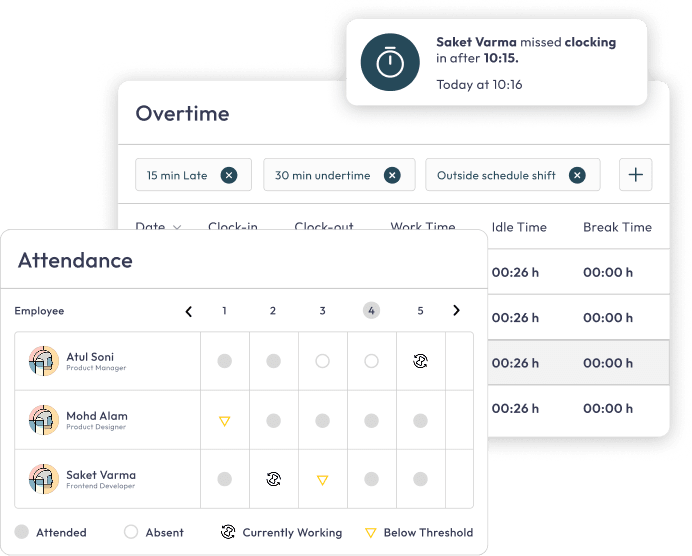

Use advanced AI to parse resumes and filter candidates based on qualifications, skills, and experience.

Engage multiple stakeholders in the hiring process with role-based access, allowing seamless collaboration and feedback sharing.

Create, review, and send offer letters with ease, ensuring quick closures and a smooth candidate experience.

Get actionable insights into your recruitment process with detailed reports on candidate pipelines, time-to-hire, and more.
FAQs
Frequently Asked Questions
1. How can ClusterHR help HR teams manage multiple vacancies?
ClusterHR’s Recruitment module focuses on organising hiring from sourcing through onboarding. Recruitment software can organise vacancies, candidate profiles, applications, interview stages, and recruiter tasks in one workflow. This helps teams track openings and follow up on pending actions. Results depend on how well stages and responsibilities are configured.
2. How does ClusterHR help organise candidate resumes and applications?
ClusterHR’s Recruitment module focuses on organising hiring from sourcing through onboarding. An applicant tracking system can store candidate details and resumes, associate them with vacancies, and help recruiters search applications. Parsing, tagging, and duplicate detection vary by provider, so confirm which features are included.
3. How can ClusterHR support visibility across hiring stages?
ClusterHR’s Recruitment module focuses on organising hiring from sourcing through onboarding. Recruiters can move candidates through stages such as applied, screened, interviewed, offered, and hired. Stage histories, notes, and reminders clarify next steps and reduce missed follow-ups. The workflow should match the organisation's hiring process.
4. How can ClusterHR reduce recruitment administration for busy HR teams?
ClusterHR’s Recruitment module focuses on organising hiring from sourcing through onboarding. Recruitment software can reduce administrative delays by centralising applications, standardising workflows, and simplifying interview coordination. It cannot guarantee faster hiring, since results also depend on role requirements, candidate availability, and decision-making speed.
5. Which hiring metrics should businesses review alongside ClusterHR recruitment data?
ClusterHR’s Recruitment module focuses on organising hiring from sourcing through onboarding. Useful metrics include time-to-hire, time-to-fill, source of hire, offer acceptance rate, interview-to-offer conversion, and candidate drop-off. Tracking consistent measures helps identify bottlenecks. Interpret them alongside role complexity and hiring quality. Businesses can review ClusterHR’s available configuration and workflows to see how this module fits their requirements.